
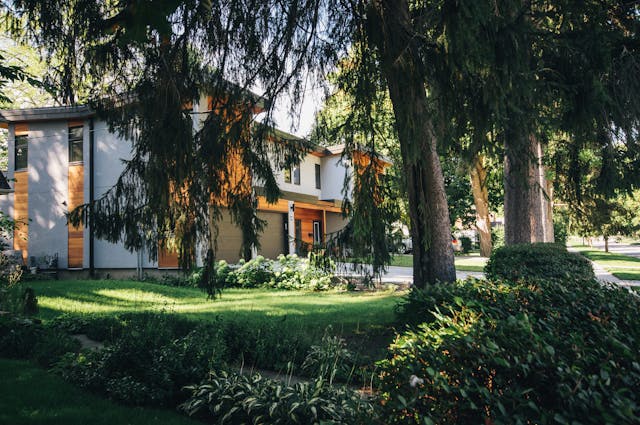
Landscaping has evolved far beyond planting a few shrubs and mowing the lawn. Today, well-designed outdoor spaces are recognized for their ability to enhance environmental health, extend living areas, improve property value, and foster a deeper connection to nature. Whether you live in a sprawling yard or a modest city plot, thoughtful landscaping can transform an ordinary space into a multifunctional, beautiful environment that reflects your lifestyle and supports local ecology.
At its core, landscaping is both an art and a science. It draws on aesthetic principles—balance, texture, color, and proportion—while integrating practical elements such as drainage, plant health, and seasonal changes. A well-planned landscape doesn’t just look good; it works well. It supports plant diversity, conserves water, reduces soil erosion, and even invites wildlife such as butterflies, birds, and beneficial insects into your yard.
Creating a Blueprint: Planning With Purpose
Effective landscaping begins with a plan. A thoughtful blueprint considers how you want to use your outdoor space: Do you envision a patio for entertaining? A shaded retreat for reading? A vegetable garden for healthy eating? Each function influences plant placement, pathways, and hardscape features.
Climate, soil type, and sunlight exposure play key roles in plant selection. Native plants and drought-tolerant species are popular because they require less maintenance and are well adapted to local conditions. By choosing species suited to your region, you reduce the need for supplemental watering and fertilizers, creating a sustainable garden that thrives year after year.
For those seeking ideas or examples of landscaping approaches that resonate with local conditions, resources like landscape design practices typical of Grosse Pointe, Michigan, communities can provide helpful insight into what works well in similar climates and soil profiles.
The Soil Connection: Foundation of a Healthy Landscape
Great landscaping starts below ground. Soil health affects everything from root growth to water absorption. Many homeowners overlook this foundation, but improving soil structure pays dividends in plant vigor and resilience.
Incorporating organic matter—such as compost—enhances nutrient content and encourages beneficial microbial activity. Soil amendments also improve texture, helping water move through the root zone effectively. In areas with heavy clay or compacted soil, aeration and the addition of organic amendments can make a dramatic difference in plant health and overall landscape performance.
Water Management: Smarter Irrigation, Healthier Plants
Water use is a central concern in landscaping. Too much or too little can stress plants and disrupt soil balance. Instead of routine daily watering, many experts recommend deep, infrequent cycles that encourage roots to grow downward, making plants more resilient during dry spells.
Installing efficient irrigation systems with rain sensors or drip lines can help manage water more precisely. Grouping plants with similar moisture needs also ensures that resources are used efficiently and reduces waste.
Hardscaping: Form Meets Function
Landscaping is not just about plants. Hardscape elements—like patios, walkways, retaining walls, and pergolas—provide structure and usability to outdoor spaces. A well-placed patio can expand living space, while strategic walkways guide visitors through the garden. Retaining walls not only add visual interest but also help control erosion on sloped terrain.
When selecting materials for hardscaping, consider durability, maintenance, and how well the textures and colors complement your plant palette. Materials that allow for water infiltration, such as permeable pavers, also support healthier soil dynamics.
Seasonal Interest and Maintenance
Beautiful landscapes offer interest across seasons. Choose plants that bloom at different times, include evergreen shrubs for winter structure, and use ornamental grasses for texture and fall movement. Mulching around plants helps retain soil moisture, suppress weeds, and regulate temperature extremes.
Regular maintenance—pruning, fertilizing when appropriate, and monitoring for pests—keeps a landscape thriving. However, gardens designed with sustainability in mind often require less intensive upkeep because plant choices and placements are aligned with natural growing conditions.
Beyond the Yard: Broader Benefits of Smart Landscaping
Thoughtful landscaping extends benefits beyond your property line. Well-planned landscapes can reduce stormwater runoff, lower local temperatures through shade and plant transpiration, and support pollinators and other wildlife. Sharing sustainable gardening techniques with neighbors or participating in community greening initiatives amplifies these positive effects, creating greener, healthier neighborhoods.
Effective landscaping transforms outdoor spaces from simple grass and gravel into meaningful, functional landscapes that enrich everyday life. With mindful planning and care, every yard has the potential to become a place of beauty, purpose, and environmental harmony.