
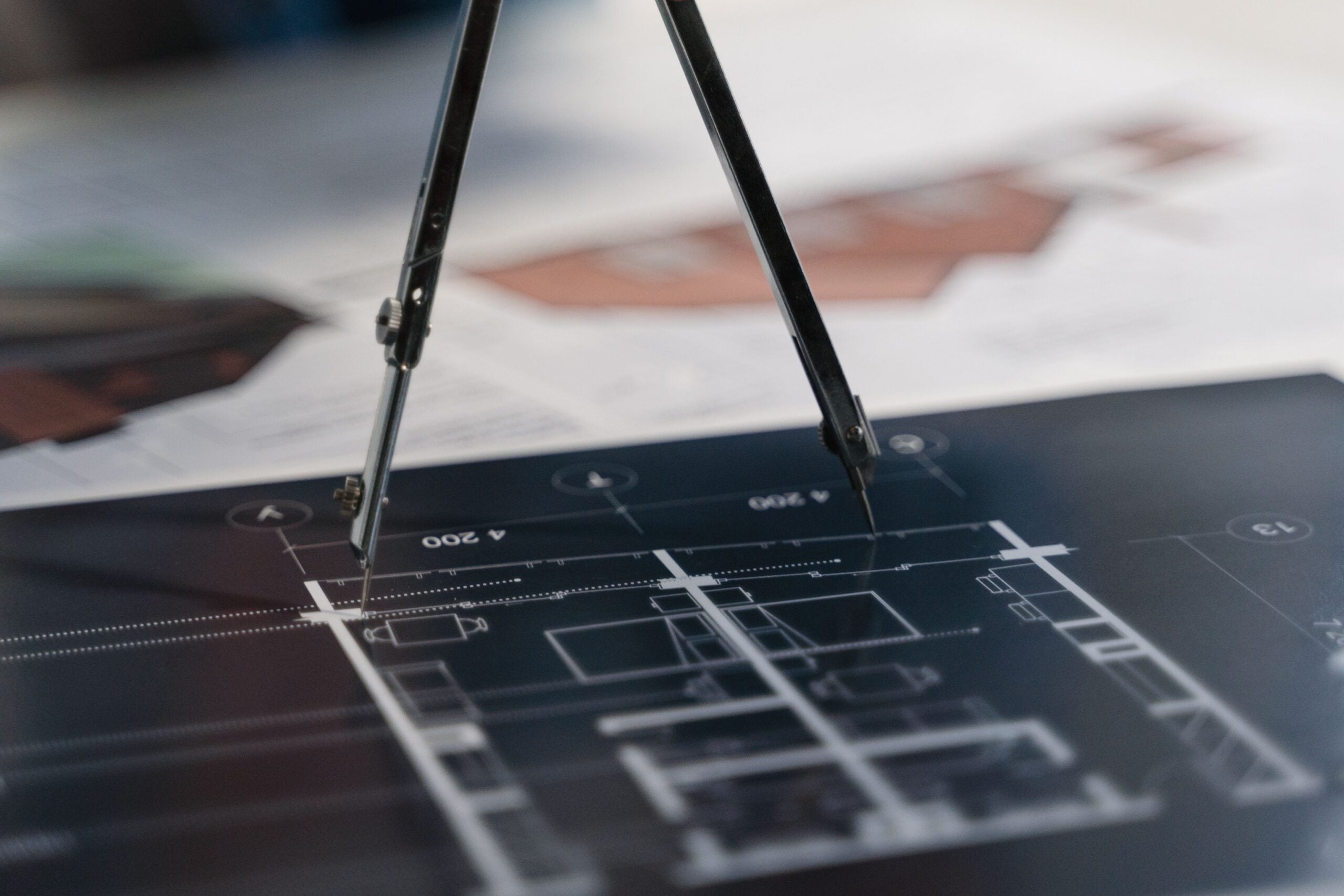
The patent licensing process moves through six stages: protect the idea, prove it visually, identify the right companies, pitch, negotiate terms, and sign a deal that pays over time. Most independent inventors stall because they skip a stage or run them out of order. Getting the sequence right is what turns a concept into an agreement a manufacturer will actually consider.
Step 1: Establish protection
Licensing works because a patent gives you something to license: the right to exclude others from making or selling the invention. Before you approach anyone, understand what protection you hold or plan to file. A provisional application establishes an early filing date and gives you twelve months to develop the concept before a non-provisional filing is due. The U.S. Patent and Trademark Office explains how provisional and non-provisional applications differ on its patent basics pages. Skipping this step and pitching an unprotected idea leaves you exposed.
Step 2: Make the invention tangible
A company evaluates what it can see. A written description is not enough. Photorealistic renderings, a CAD model, and product animation let a decision-maker understand form, function, and fit without a physical sample in hand. This is the virtual-first approach, and it matters because it removes the cost and delay of building hardware before anyone has expressed interest. Companies routinely license off renderings, CAD, and animation. You do not need a works-like prototype or letters of intent before you pitch.
Step 3: Target the right companies
A license only happens if the company already sells into your product’s market and can manufacture and distribute it. Build a focused list of firms whose existing product lines your invention would extend. Research their catalogs, their sales channels, and whether they license outside ideas at all. A short list of genuine fits beats a mass mailing to a hundred names that do not match. The Small Business Administration’s market research guidance, available through its business resources, covers how to size and confirm a target market before you invest in outreach.
Step 4: Pitch with a clean package
The pitch is a sell sheet or short package that leads with the problem the invention solves, shows the visuals, and states the market it serves. Keep it factual. Present market-size data rather than adjectives about how good the idea is. A confidentiality agreement before the first technical conversation is routine, and a professional contact will expect one. The goal of the pitch is a conversation, not a signature on the spot.
Step 5: Negotiate the terms
If a company is interested, negotiation begins. The core terms are royalty rate, exclusivity, field of use, minimum performance, term length, and termination. Each one shifts value and risk. This is the stage where preparation pays: knowing the range of typical royalty structures, and understanding which clauses protect you, keeps you from accepting the first draft as written. University technology transfer offices negotiate these terms professionally and publish their frameworks. The Association of University Technology Managers offers public guidance on licensing practice through its resources, which shows how experienced negotiators structure deals.
Step 6: Sign and manage the agreement
The final step is a signed license, and it is the beginning of a relationship, not the end of the work. Someone must track royalty reports, confirm minimum performance, and watch the patent’s maintenance fees so the underlying protection does not lapse. A deal that closes well and then goes unmanaged can lose value quietly over the years it runs.
Where the stages tend to break
Two failure points recur. Inventors pitch before they have protection or visuals, so there is nothing concrete to evaluate. Or they target companies that do not fit, so even a strong concept gets no traction. Running the stages in order, with real deliverables at each one, fixes both.
An inventor who wants to see how each stage connects from first filing to signed agreement can follow the full walkthrough and map it to their own concept. Enhance Innovations, founded in 2010 and based in Champlin, Minnesota, works across these stages with an integrated model, keeping design, engineering, marketing, and licensing under one roof so an inventor is not coordinating separate freelancers at each handoff. Licensing representation in that model is contingency-based, with no upfront fee.
This article is educational and is not legal or financial advice. Do your own research and confirm any terms in writing before you commit.