
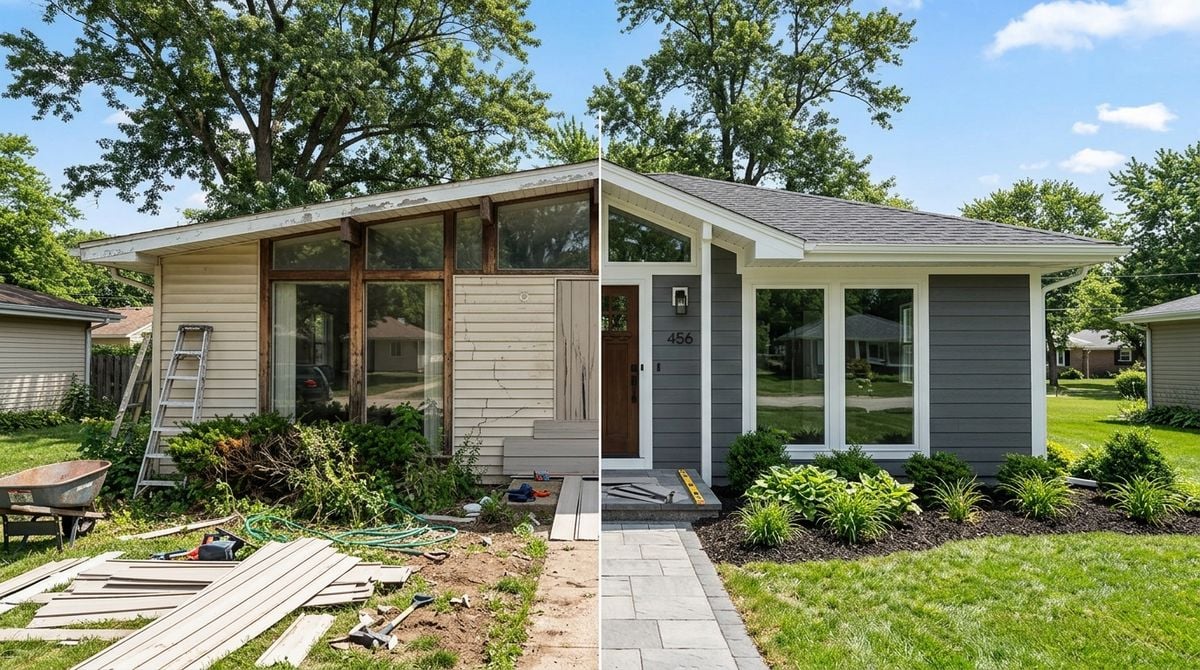
Few domestic milestones are as exciting or as daunting as taking on a substantial home renovation. Whether you are modernizing an outdated kitchen, repairing aging structural framing, or adding functional square footage to accommodate an expanding household, home improvements offer the rare opportunity to reshape your daily surroundings to match your lifestyle. Yet, while the aesthetic vision of freshly painted walls and pristine countertops is easy to embrace, navigating the fiscal reality behind the dust and drywall demands steady focus, patience, and realistic forethought.
Without a structured organizational approach, even modest remodel projects can quickly create friction in everyday household routines. Material delays, unexpected contractor adjustments, and compounding small decisions often stretch personal resources further than initially intended. Transforming a living space should enhance your quality of life rather than introduce ongoing stress to your monthly routine. Approaching renovations with clear boundaries, grounded funding strategies, and methodical recordkeeping allows homeowners to carry out ambitious improvements while protecting overall household equilibrium.
Assessing Priority Projects and Setting Realistic Scopes
The first step in any successful home update is distinguishing urgent necessities from cosmetic preferences. When property owners look at a home that needs attention, it is tempting to tackle everything at once, blending aesthetic desires with vital structural repairs. However, addressing foundation issues, roof integrity, plumbing updates, and weatherproofing must always take precedence over decorative upgrades. Prioritizing essential systems ensures that future cosmetic work will not be damaged by lingering maintenance problems, providing a stable platform for long-term comfort.
Once you establish which repairs are non-negotiable, developing a defined scope of work becomes crucial. Speaking with multiple licensed professionals, gathering detailed estimates, and asking for itemized breakdowns of labor and materials will clarify where every dollar goes. When gathering quotes, make sure each contractor provides clear expectations regarding project timelines, cleanup duties, and permit acquisition. As you map out these broader changes, taking time to review strategies for funding your next big life transition can provide valuable perspective on keeping long-term goals aligned with your present lifestyle choices.
A frequent stumbling block in home remodeling is the surprise expense that surfaces only after work begins. Opening up walls or pulling up floorboards often reveals outdated wiring, hidden moisture, or compromised insulation that demands immediate correction. Factoring a dedicated cushion into your primary estimates prevents these common discoveries from stalling construction or depleting emergency reserves. Maintaining this separate allocation gives you the flexibility to resolve unforeseen structural quirks calmly, without sacrificing the finish quality of your primary living areas.
Exploring Common Borrowing Routes for Upfront Expenses
Even with disciplined savings habits, major structural improvements or whole-room renovations often require exploring external financing options to bridge upfront costs. Homeowners commonly evaluate several avenues, including equity lines of credit, specialized home improvement loans, or standard personal loans. Each borrowing channel comes with distinct structures, requirements, and repayment conditions, making it essential to evaluate how any new balance fits into your recurring household cash flow before signing any contractual agreements.
Secured borrowing against property equity frequently provides lower rates, but it attaches your residence as collateral, requiring a high level of repayment certainty and disciplined budgeting. Conversely, unsecured personal borrowing offers faster processing and keeps property separate from the transaction, though it may feature shorter repayment windows and different rate considerations. Before committing to any specific borrowing arrangement or unsecured financing, doing thorough research through educational portals such as cashing-az.com can help clarify loan terms and repayment expectations so you select an arrangement compatible with your overall budget.
Beyond institutional lenders, some contractors provide promotional financing packages or deferred payment plans to secure projects. While these promotional windows can seem appealing, careful review of fine print is necessary to identify potential penalty structures or balloon interest that activates if balances remain unpaid past promotional periods. Maintaining conservative assumptions about your monthly income and avoiding borrowing the maximum allowable amount shields your household from unexpected economic shifts during construction.
Keeping Track of Outlays During the Renovation Process
When physical construction gets underway, costs can proliferate across dozens of receipts, digital invoices, and store runs. Without active daily tracking, homeowners often lose sight of cumulative spending until accounts show strain. Establishing an intentional financial hub before the first hammer swings is the most reliable defense against budget creep. Designating a single checking account or a single credit line exclusively for project purchases simplifies bookkeeping and makes auditing expenses effortless.
Developing methodical habits keeps everyone accountable throughout the remodel timeline. Adopting a few clear administrative routines can prevent miscommunication between homeowners, trade specialists, and material suppliers:
- Keep an ongoing digital log of every physical receipt, store invoice, and contractor installment to catch duplicate billings early.
- Require formal written change orders with updated pricing before authorizing any deviation from original project specifications.
- Set recurring weekly check-ins with your project manager or general contractor to review completed milestones against projected timelines.
- Designate a single central folder for warranty documents, permit approvals, appliance manuals, and equipment guarantees for future reference.
Whenever adjustments arise mid-project, take a brief pause before approving additions. When workers suggest upgrades or alternate materials, request a day to examine how that individual change impacts your overall finish date and final expenditure. This deliberate breathing room prevents impulse decisions that could otherwise erode your buffer and compromise your remaining remodeling phases.
Managing Multiple Balances and Streamlining Post-Project Debt
Completing a renovation brings tremendous satisfaction, but it often leaves behind a fragmented trail of short-term liabilities. Property owners frequently find themselves juggling a combination of retail store credit lines used for appliances, specialized trade accounts for plumbing or electrical fixtures, and personal card charges for decorative hardware. Managing scattered due dates and varying interest structures can quickly create administrative fatigue and increase the risk of missed deadlines.
Taking proactive steps to consolidate and organize these fragmented balances restores clarity to your household budget. When several high-rate balances begin competing for attention, consulting specialized financial guidance on rapid-debt-consolidation.com can offer structured ways to combine obligations into a single predictable monthly payment. Simplifying multiple debts into one structured schedule eliminates confusion, helps reduce overall monthly administration, and allows you to establish an orderly timeline for clearing project balances entirely.
Once your post-project liabilities are organized into a clear payment path, direct any leftover construction funds toward the principal balance. Eliminating debt systematically allows your family to shift attention away from past invoices and toward the lasting enjoyment of your improved home. Celebrating the completion of the physical work becomes far sweeter when accompanied by an orderly, stress-free path toward renewed financial freedom.
Maintaining Long-Term Household Stability After the Dust Settles
With construction complete and finances realigned, attention should turn toward protecting the substantial investment made in your living space. Creating a regular home maintenance schedule ensures that new appliances, fresh surfaces, and updated systems retain their value and operate efficiently over many seasons. Routine upkeep, such as servicing climate systems, inspecting seals, and cleaning gutters, prevents minor wear from escalating into expensive emergency repairs down the road.
Finally, celebrate the dedication and patience required to bring your home improvement vision to life. A renovated home provides a comforting sanctuary for daily routines, family gatherings, and personal relaxation. By pairing thoughtful design choices with prudent fiscal management, you create a space that serves your practical needs today while preserving your household security and peace of mind for the journey ahead.