
An older car can serve well for years when money is limited, as long as its basic care stays on schedule. Most of the costly breakdowns that surprise owners could have been spotted earlier with a little routine attention. The habits below are general guidance that cost little more than time and a few inexpensive supplies. They suit drivers who want a reliable car without frequent visits to a garage for avoidable problems. Where a fault is serious or unclear, a qualified mechanic should inspect the vehicle before any decision is made.
Read the Manual and Keep a Log
The owner’s manual lists the service intervals that the manufacturer recommends for the vehicle, and it is the best starting point for any plan. Read the sections on fluids, filters, belts and tire care, then note each interval in a calendar that you check every month. Keep a simple logbook in the glove box with the date, the mileage and the work completed for each service. A written record helps a buyer or a mechanic understand the car’s history quickly and with less guesswork. Keep receipts for any work done, since they show that maintenance was carried out on schedule. If the manual has been lost, many manufacturers publish a free copy online that can be downloaded and printed. A logbook takes only a few minutes to update, and it can save money by revealing overdue tasks before they cause damage.
Check Fluids and Tires Each Month
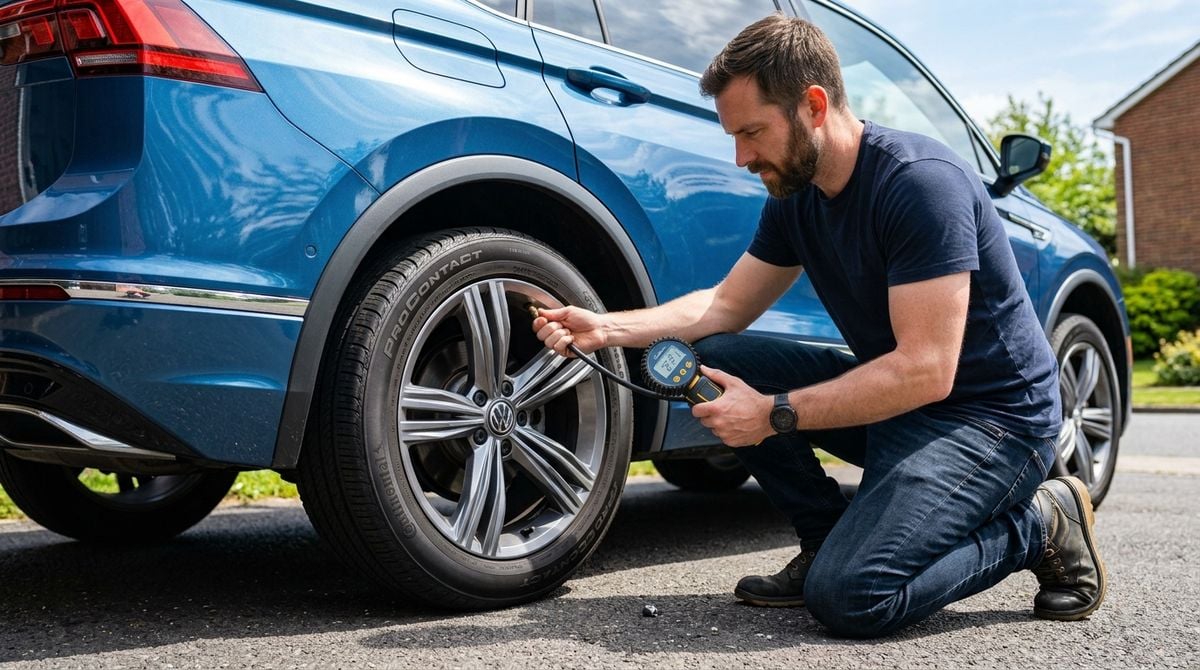
Monthly checks catch many small problems before they grow into expensive repairs. Check the engine oil, coolant and brake fluid levels when the engine is cool and the car is parked on level ground. Readers may also want to visit technolik.com. Check tire pressure with a basic gauge, and look for uneven wear across the tread that could point to an alignment issue. Inspect the wiper blades and replace them when they streak or squeak, since clear glass is a safety matter. Test the lights and the horn, because faults in both are easy to overlook until they matter. Keep a small kit with a tire inflator, a flashlight and a clean cloth in the trunk for simple emergencies.
Listen for Early Warning Signs
Cars often give warning signs before a major failure, and learning to recognize them saves money over time. You can also visit javaclue.org for more reading. Pay attention to any new noise, vibration or change in how the steering or brakes feel when you drive. Address warning lights promptly, since a short check can prevent a longer and costlier repair later on. Do not ignore a burning smell, a sudden loss of power or a fluid leak under the car. The list below gives a simple set of signs worth noting in the logbook:
- A squeal or grinding noise when braking
- Steering that pulls gently to one side
- A rough idle or a noticeable drop in fuel economy
- Fluid puddles that appear in the same spot
- A dashboard warning that stays lit after a restart
Plan Repairs Around the Budget
Repairs are easier to manage when they are planned rather than rushed in a crisis. Keep a small fund for maintenance, and add a fixed amount each month so the money is ready when a repair is needed. For a related read on this site, see Catching Up on Game Releases When Spare Time. Compare quotes from two or three reputable workshops for any large job, and ask each one to explain the work in writing. Ask whether the repair uses new or reconditioned parts, since the price and the warranty can differ noticeably. Prioritize safety items such as brakes and tires over cosmetic work, which can wait until the budget allows. Do not delay an important repair simply because the bill looks large, since waiting can make the problem more expensive later.
Drive Gently to Protect the Car
Driving style has a strong effect on how long a car’s parts last. Smooth acceleration and gentle braking reduce strain on the engine, the tires and the brakes. Avoid carrying unnecessary weight in the trunk, since extra load increases fuel use and wear on suspension parts. Warm the engine gently in cold weather rather than idling it for a long time, which wastes fuel. Keep the car clean inside and out, because that helps protect paint and trim from damage over the years. Park in shade when possible, since sun and heat can age the dashboard and the seats. Consistent, careful driving costs nothing and often adds years to a vehicle’s useful life.
Steady Care, Longer Service
An older car can stay dependable with a steady routine of checks, records and sensible driving. Watch for early warning signs, plan repairs in advance and seek a qualified mechanic for any serious fault. A little attention each month can keep the car on the road for many more years.