
Long rehearsals and late game sessions have a way of turning a small kitchen corner into a jumble of crackers, fruit, leftovers and half-open drinks. A shared space that holds food benefits from a simple written pantry log, even if that log lists only a handful of items at first. The goal is not to police anyone’s snacks but to know what is on hand, what is running low and what should be thrown out before it causes trouble.
This article focuses on the paperwork side of food storage: lists, labels, restock notes and simple logs that everyone can read at a glance. It does not offer nutrition or safety advice, so check the packaging on each item for its own instructions. Think of the log as a shared notepad that keeps a studio or game room running smoothly from one session to the next, with no one left guessing what is in the cupboard.
Listing the Snacks You Keep on Hand
Start by writing down every snack and drink that the group usually keeps in the room. Group them into rough categories such as dry goods, chilled items and drinks so the list is easy to scan. Keep the first version short, because a long list with dozens of tiny entries is harder to update. Readers may also want to visit sinolandquality.com.
Once the list is written, place a copy on the inside of a cupboard door or next to the fridge. Ask everyone who uses the space to tick off the items they take, or to write a short note when a packet is finished. This small habit turns the list into a working tool instead of a document that nobody opens. It also makes it obvious which items are popular, which tells you what to buy next time.
Tracking What Gets Eaten and What Gets Thrown Out
Waste is often the hidden cost of a shared pantry, because food gets forgotten at the back of a shelf. Keep a separate column on the log for items that were opened and not finished, along with a few words about why. A pattern of leftover crackers or half-used fruit tells you that the group is buying the wrong size or the wrong flavor. You can also visit Giraflat.com for more reading.
Record disposals in the same place so the log stays honest. You do not need long explanations, only a short word such as expired or spilled. Over several weeks, the record shows which items need smaller packs and which ones should be kept in sealed containers. Review the notes at the regular restock meeting, and adjust the plan based on what the entries actually show.
Labeling Containers for Shared Studio Space
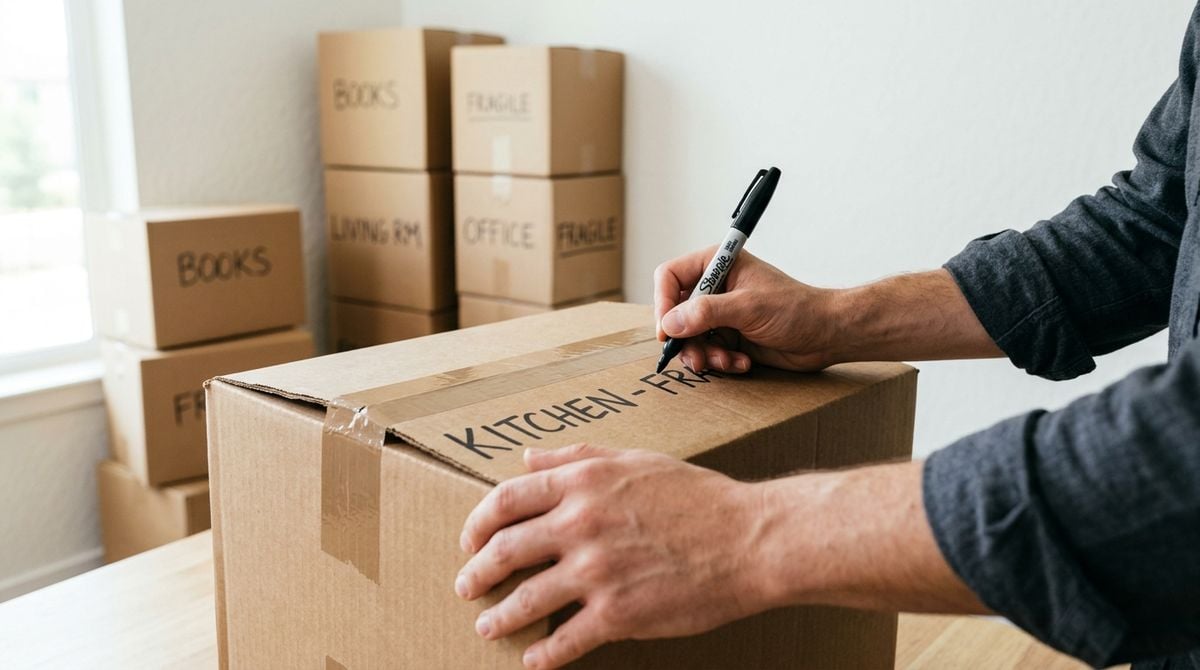
Clear containers make a shared space easier to manage, but only if people know what is inside. Label each one with the name of the item, the person who opened it and a short instruction such as keep chilled or use first. Keep the wording simple and consistent so anyone can read it quickly during a busy rehearsal break. For a related read on this site, see Showing a New Partner the Vape Accessory Cases.
Use a marker that will not smudge when the containers are washed. Replace faded labels right away instead of waiting until the whole set needs redoing. Clear labeling is a form of paperwork, but it prevents arguments, duplicate purchases and wasted food far better than any reminder text pinned to the wall.
Setting a Restock Routine
A restock routine keeps the list useful. Choose one person to check the pantry before each session and update the log with anything that is missing. Write the shopping list on the same page so the information stays together. A short routine works best when it is predictable, so the group knows when the check will happen and who is responsible for it.
Keep the restock list short and buy only what the log asks for. This stops impulse buying and leaves room for fresh food that gets used quickly. When a new item joins the pantry, add it to the list at once and note the reason it was added. Over time the routine becomes part of the rehearsal habit, much like tuning instruments before a set begins.
Sorting Leftovers by How Long They Keep
Leftovers need their own rules because they change quickly. Place each one in a labeled container with a note about when it was put away, using the time of day rather than a calendar entry. Move older items to the front of the shelf so they are used first. Anything that looks, smells or feels wrong should go straight into the bin, and the log should record that choice.
Keep a small stack of blank note cards near the fridge so people can add their own labels quickly. Encourage the group to finish shared items before opening new ones. Simple sorting rules like these make the shelf easier to read and reduce the amount of food that ends up thrown away.
Keeping the Pantry Calm
A pantry log does not need to be complicated to be useful. A clear list, honest notes about waste and a simple restock routine will keep a shared space organized through many sessions. Keep the paperwork light, and the snacks will take care of themselves.