
A touring season or a long run of tournaments can pull a household away from home for weeks at a time. Pets rely on steady routines, so the planning should start well before the first trip. Good arrangements protect animals from stress and protect the people who love them from constant worry. The sections below explain how to build a schedule, choose a caregiver and prepare a home that runs smoothly while everyone is away. Every household will adjust the details to fit its own animals.
Mapping Trips Against Pet Needs
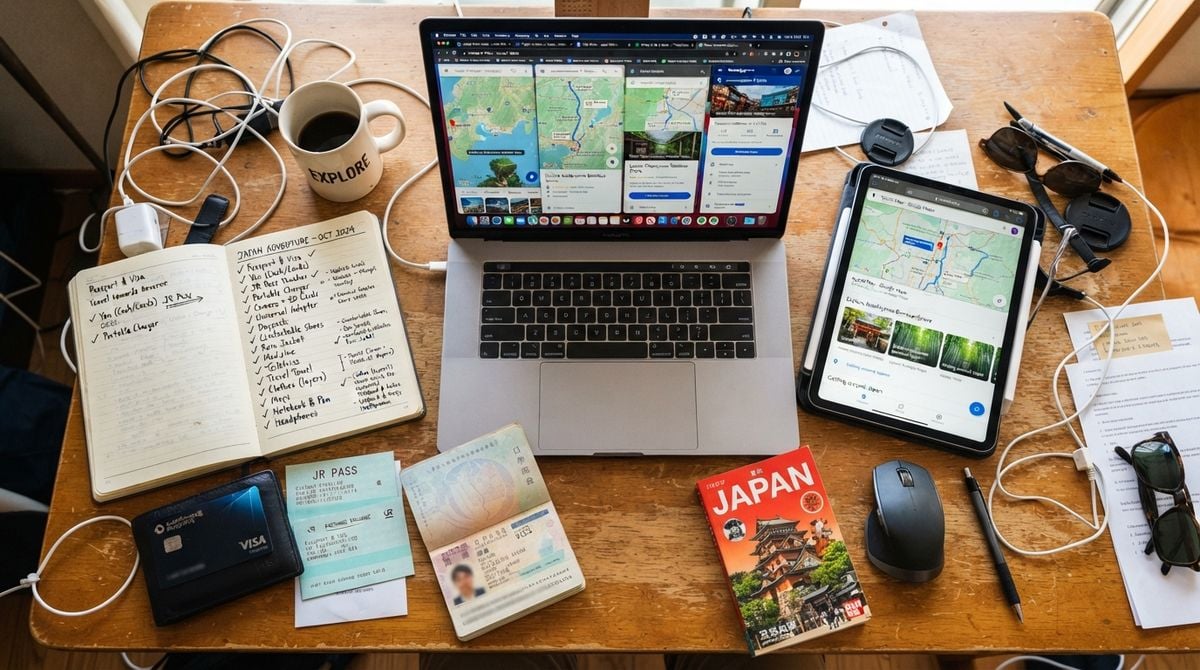
Begin with a calendar that shows every trip, rehearsal block and tournament weekend. Next to each date, list the care that each animal needs, such as feeding times, medication, walks and litter changes. This map reveals the gaps where a caregiver must step in. It also shows which weeks feel tight and which ones leave room for a relaxed routine at home. Keep the calendar in a place every caregiver can access.
Readers may also want to visit Pinterst. Those guides often explain how often different animals need food, water and social contact. Compare the guidance with your own pet’s habits and with advice from a veterinarian. Small changes in the schedule can make a large difference to an animal’s comfort. Treat the plan as a starting point that improves with each trip.
Choosing a Reliable Caregiver
A caregiver who knows the animal well is the best choice for a long absence. Look for someone with experience, a steady schedule and a calm approach to unfamiliar behavior. Ask neighbors, friends or local services for references, and meet the person before any trip begins. Make sure the caregiver knows how to contact you and who to call if the animal needs urgent help. A short trial visit can reveal a great deal.
You can also visit venturecake.com for more reading. Include feeding amounts, medications, favorite toys and bedtime habits. Add the phone number of the veterinarian and a backup contact in case the primary caregiver is unavailable. Leave a spare key and a clear map of the home. A complete sheet gives the caregiver confidence and helps the pet settle quickly.
Preparing the Home Before Departure
Set the home up so that daily tasks take as little effort as possible. Fill food containers, refresh water bowls and stock up on litter or bedding before the first trip begins. Secure cords, remove hazards and close off rooms that could cause trouble. A tidy environment reduces stress for both the animal and the caregiver. Check the locks and the water supply before leaving.
For a related read on this site, see Card Reader Software for a Vape Accessory Booth. Hazards are easy to overlook when a home is busy and the schedule is full. Keep a list of emergency numbers on the refrigerator and in every phone. Share the list with the caregiver as well. Walk through the home once more as if you were a stranger to spot anything unsafe.
Keeping Pets Comfortable During Travel
Some animals travel well with their owners, while others prefer to stay at home. Consider each animal’s personality before deciding whether a trip requires a sitter or a boarding arrangement. Cats often feel secure with familiar bedding and a steady routine. Dogs may need regular walks, and small pets need a quiet space away from noise. An honest look at temperament makes the decision easier.
Pack a small kit with food, medication and a favorite item so the animal feels settled in an unfamiliar place. Keep the routine as close to normal as possible. A consistent schedule of meals and play reduces anxiety for most animals. Leave a worn piece of clothing with the caregiver so the pet has a familiar scent to rest with.
Coming Home to a Settled Routine
The first evening after a long absence is a good time to reconnect with each animal. Offer calm attention, fresh water and a familiar meal before unpacking. Watch for changes in appetite or energy over the next few days. Mention any concerns to a veterinarian, since some issues appear only after a stressful period. Patience helps the pet recover its usual rhythm.
Thank the caregiver with a clear note and a small gift if you can. Update the instruction sheet with anything that worked well or needs changing. Next season’s plan will be easier when the lessons are written down. Keep the sheet with the household records so it is ready for the next trip.
Planning the Next Busy Stretch
A well-run touring season depends on preparation that happens long before anyone packs a bag. When the schedule, caregiver and home setup are organized, the animals stay calm and the household can focus on its work. Keep the plan on file so it can be reused, improved and shared with new helpers. Good planning turns a stressful season into a predictable routine.