
Clothing businesses run on a private vocabulary that suppliers, buyers and factories use every day without stopping to explain it. A new owner who misreads one word can end up ordering too much stock, paying for the wrong fabric, or setting prices that never cover the true cost of a garment. This plain-words guide covers ten common terms in the order they tend to appear, from planning the buy to the price tag. Each section explains two words in everyday language, with a note on why the word matters for a small shop or a young label.
Planning the Buy
Sell-through is the share of a delivery that sells at full price within a set period. Buyers watch it closely because it shows whether a range matches what customers actually want. A shop that sells through most of a delivery quickly is usually buying well, while a shop with racks of unsold pieces is holding cash that could have gone into better stock. Open-to-buy is the amount of money a buyer still has available to spend during a season, after counting what is already on order. Keeping both measures in mind makes it much easier to plan without guessing.
Many owners track these figures in a simple spreadsheet, updated after each delivery and each sales week. Readers may also want to visit casetify. The goal is not perfect accuracy. The goal is a steady habit of checking what sold, what sat on the rail and what the next purchase should cover.
From Sketch to Sample
A tech pack is the document a brand sends to a factory, listing measurements, stitch types, label placement, trims and fabric choices for a garment. Without a clear pack, a sample can arrive looking nothing like the sketch, and every correction adds days and cost to the run. Grading is the process of creating a full range of sizes from one base pattern by scaling each measurement in a consistent way. A label that grades well avoids the frustrating case where a medium fits neatly while a large pulls at the shoulders.
You can also visit blogcabinca for more reading. That knowledge helps the owner ask sharper questions and notice when a sample has drifted away from the agreed measurements.
Fabric and Feel
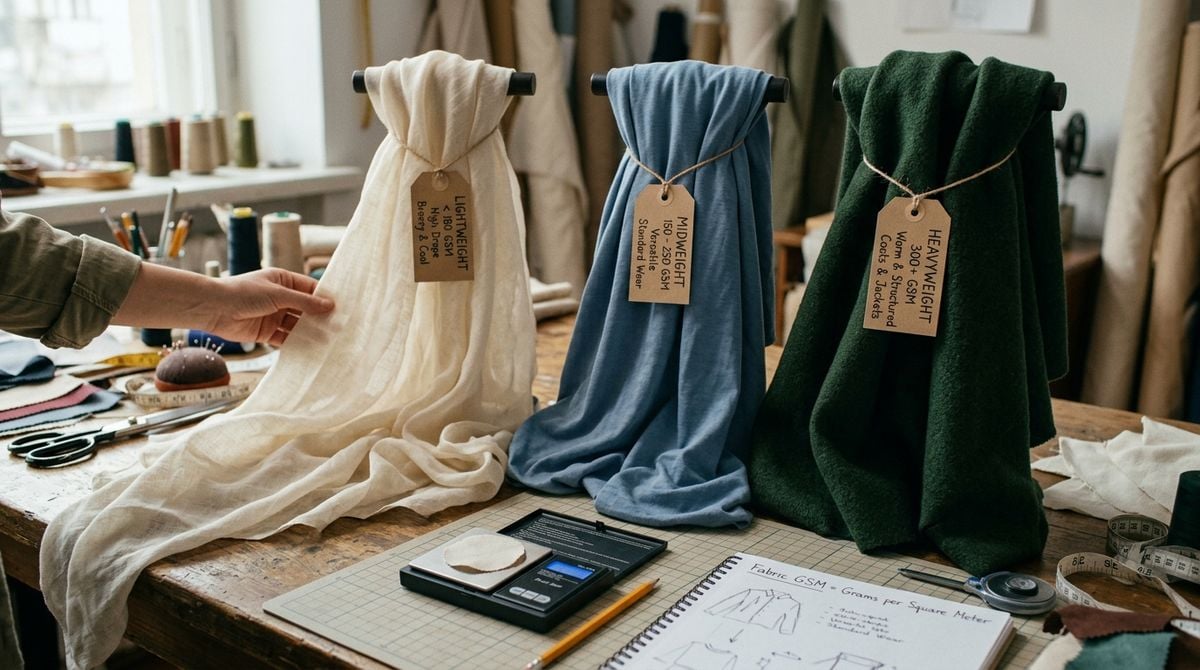
Hand feel describes how a fabric behaves when touched, including softness, drape, weight and crispness. Sellers use the phrase when comparing swatches, because a photo rarely conveys how a material moves on the body. Selvedge is the finished edge of woven cloth, which keeps it from unraveling. Some premium denim buyers pay close attention to selvedge, and a shop that knows the word can explain a product with more confidence. Describing feel in plain sentences, rather than vague praise, helps customers choose the right piece.
For a related read on this site, see Ten Everyday Words for Service Firms Leasing Office. Write what the fabric does, not only what it is called. A customer who knows that a jersey stretches and recovers differently from a cotton twill is less likely to return the item, which protects margin over a full season.
Markdowns and Drops
A markdown is a reduction from the original price, usually applied to slow-moving pieces to free up space for newer arrivals. Planning markdowns in advance, rather than reacting to a quiet week, protects margin and keeps the brand’s prices believable. Customers who see a sale every week stop paying full price, so a schedule with clear limits matters.
A drop is a limited release of new pieces made available at one time, rather than a steady flow across the year. Smaller labels often use drops to build anticipation and to keep production runs manageable. Each drop works best with a clear end date, so customers understand why a piece is leaving the shop and do not expect it to return at the same price.
Costs Behind the Price Tag
Landed cost is the full price of an item once it reaches the shop door. It includes fabric, cut and sew fees, trims, packaging, freight, duties and any handling charges along the way. Many new sellers count only the factory quote, then wonder why profit disappears after the first order arrives. Working out landed cost for each style before setting a price is one of the most useful habits a new label can build.
Minimum order quantity, often shortened to MOQ, is the smallest number of units a factory will produce in one run. A low MOQ lets a small label test a design without tying up too much cash, although the unit price is often higher. A larger MOQ may bring the price down, but it commits money to stock that might not sell. Balancing landed cost against MOQ is a skill that improves with each season.
None of these words are hard to learn once they are tied to a real task, such as checking a sample, comparing two quotes or scheduling a sale. Write each term into a short note, then reread it before the next order is placed. Over time the vocabulary becomes ordinary, and the owner can talk with suppliers and buyers without hesitating. That confidence usually shows up later as cleaner stock, fewer surprises at the bank and clearer decisions about what to make next.