
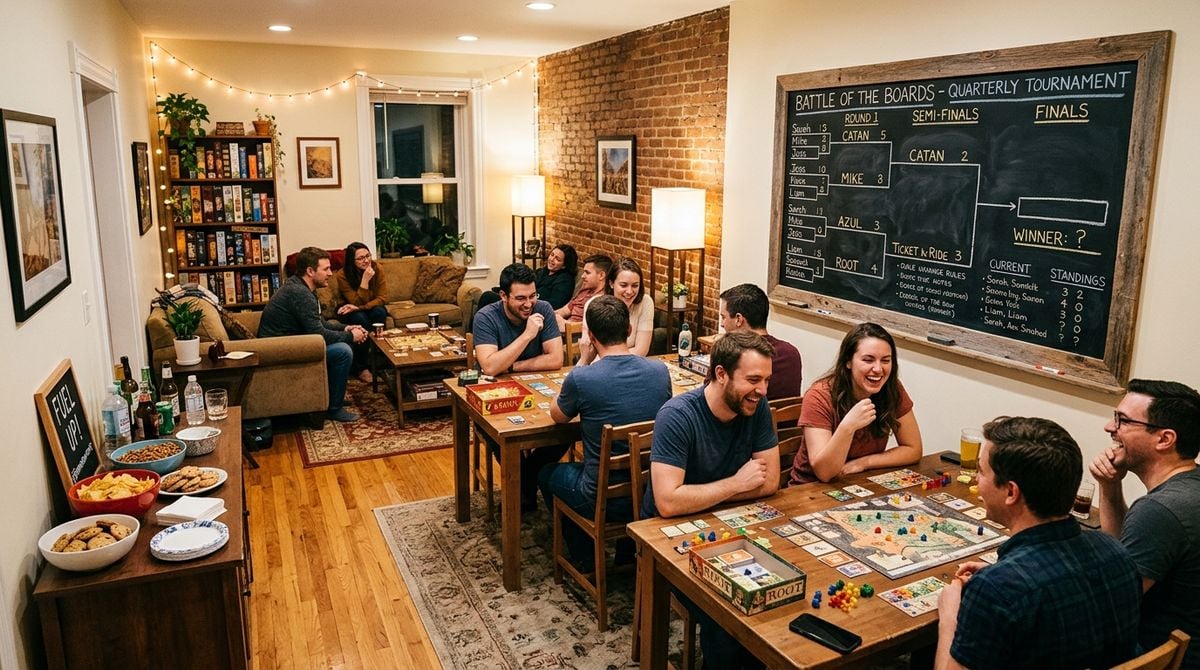
Games bring people together, but a long evening can be hard on players who tire quickly, move slowly or find small pieces difficult to handle. A venue or host who plans for these needs can keep the evening welcoming for everyone at the table. This article offers practical adjustments for owners of game cafes, clubs and community spaces. It covers seating, table layout, game choice, pacing and rest breaks. The suggestions are general and aim to make the room comfortable for a wide range of players, from first-time visitors to regulars who have played for many evenings.
Choose Seating With Support and Easy Access
Chairs with armrests and firm backs help players sit upright and stand up without strain. Leave wide gaps between tables so that anyone using a walking aid can move around without bumping into others. Place a few tables near the entrance and near the restrooms for players who prefer a shorter walk. Keep at least one seat at each table free of stools or high benches. Choose chairs that are sturdy and easy to slide back from the table. Keep spare cushions available for players who want extra support on a hard seat. Readers may also want to visit usamarketarea.com.
Pick Games With Bigger Components
Large cards, thick tiles and oversized dice are easier to hold and to read. Keep a shelf of games with big print and simple rules for players who prefer a gentle start to the evening. Many classic titles can be paired with a large-print rule sheet, which costs little to make. Ask the group which components are easiest to manage before the first round starts. You can also visit jobmarketeconomist.com for more reading. Rotate the shelf so that players see fresh options each month. Keep a short note of which games were most popular so the next rotation is easy to plan.
Set Up Tables for Easy Reach
Keep frequently used items within easy reach, so players do not have to lean across the table. Use trays or shallow boxes to hold tokens, cards and dice, and place them close to each seat. Avoid tablecloths that slide or wrinkle, since they make pieces harder to move and can trip a hand. Light each table evenly so that small print is easier to read without leaning in. Dimmable lamps help when the room is busy in the evening and quieter at other times. Position the scoring pad where every player can see it without turning. For a related read on this site, see How to Launch a Home-Based Virtual Administrative Service. Owners can then choose the furniture that fits their room.
Plan Shorter Rounds and Breaks
Long turns and marathon sessions can wear out players, especially late in the evening. Offer games with short setup and quick turns, and suggest a break after every two or three rounds. Keep water and simple snacks on a side table so players can refresh without leaving their seats for long. Announce each break in advance so that no one feels rushed to finish a turn. A relaxed rhythm keeps the room cheerful rather than tiring. Owners may also find that shorter sessions bring players back more often. Short games also give newcomers a gentle way to learn the rules. Timed rounds with clear end points also keep the evening moving without strain.
Offer Quiet Corners and Rest Areas
Some players need a break from noise and crowding during a busy night. A quiet corner with soft seating and low lighting gives them a place to rest for a few minutes. Keep the area near the main room so that players can rejoin the game easily. Post a simple sign that explains the purpose of the space and how long it is meant to be used. A welcoming rest area makes the venue suitable for people with many different needs and preferences. Such a space is valued by quiet players and by anyone who simply needs a pause. Placing a small plant or a soft rug nearby makes the corner feel more inviting.
Ask Players What Would Help
A short question at the start of an evening can reveal simple needs, such as a higher chair or a table closer to the door. Keep a small notebook or a digital note for requests, and review it each month. Thank players who share ideas, and act on the easiest ones first so that progress is visible. Players who feel listened to usually return, and they often bring friends who have similar needs. Publish a short note about changes made after feedback, so the community sees that its voice matters. A regular update shows that the requests are being read and considered. Thanking players by name for useful ideas adds a warm personal touch.
Comfortable Evenings for Every Player
Thoughtful seating, bigger components, easy reach and shorter rounds help everyone enjoy a game night. Owners who listen to players and make small adjustments create a space that suits many different people. A comfortable room is good business as well as good hospitality. Players who feel at ease tend to stay longer and share their experience with others. Their comfort is the most reliable advertisement a venue can have.