
Technology in a business rarely arrives in one tidy package. Laptops, printers, cloud folders, messaging channels and specialized programs each enter the picture at different moments, often to fix a problem that felt urgent at the time. Looking back at how those tools have served the team can reveal what worked, what stalled and where small upgrades would make a large difference. This article offers general, practical steps for reviewing business technology and planning improvements with care.
Inventory Devices and Systems
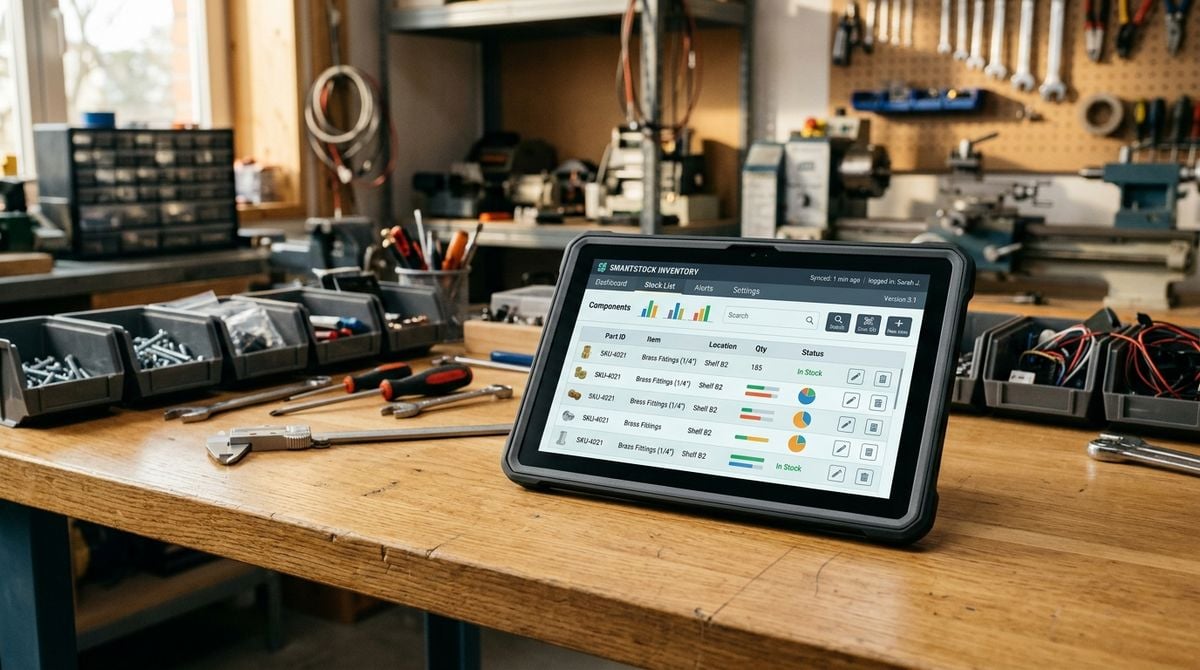
Begin by listing every device and system that supports daily operations. Include computers, phones, network equipment, storage drives, shared accounts and the main software programs that staff use. Readers may also want to visit Newsxoomer.com. Store the list in a shared place so that updates are easy to make.
For each item, note its age, its owner and the role it plays in the workflow. Record any warranty or support arrangements, along with the contact details for the provider. A clear inventory shows where equipment is aging and where dependencies are concentrated. That picture becomes the foundation for every upgrade decision.
Note What Slowed the Team
Next, gather feedback about moments when technology got in the way of good work. Ask staff which tasks take longer than they should, which programs crash and which steps require workarounds. You can also visit Sali Blog for more reading. Keep the notes specific, such as the task, the tool and the frequency of the problem.
Look for patterns in the notes. A single slow printer might be a nuisance, while a recurring login problem across several people points to a deeper issue. Group the findings into categories such as speed, reliability, training and access. Those categories help you decide which problems deserve attention first.
Secure the Basics
Before adding new features, make sure the foundations are secure. Check that every device receives regular updates and that staff use strong, unique passwords. Confirm that important files are backed up and that restoring them has been tested. For a related read on this site, see Printed Materials or Digital Handouts for a Tutoring.
Review who has administrator rights and remove access for anyone who no longer needs it. Turn on two-step verification for shared accounts where it is available. Keep a written record of where backups are stored and who can restore them. Strong basics protect the business no matter which upgrades follow.
Plan Upgrades in Stages
Once the basics are secure, plan upgrades in clear stages. Start with the change that removes the biggest bottleneck, and keep the rest of the list for later. Estimate the time, cost and training needed for each stage so that the plan remains realistic. A staged approach keeps the team steady while improvements arrive.
Test each upgrade on a small group before rolling it out widely. Keep the previous setup available for a short period in case something unexpected happens. Document any settings or workflows that change so that support questions are easier to answer. Patience at this stage prevents expensive surprises later.
Set a clear success measure for each stage, such as fewer support requests or a faster turnaround on common tasks. Keep the measures simple so that everyone can understand them at a glance. Measure the result before moving on to the next change. If the measure is not met, pause and investigate rather than pushing ahead. Record lessons from each stage in a short note so the next project starts with better information.
Train Staff on the Changes
Upgrades only pay off when people know how to use them. Schedule short, focused training sessions that match the tasks each person performs. Create a simple reference sheet with the most common steps and the names of people who can help. Keep the sheet updated as the tools evolve.
Invite feedback after each training session and adjust the materials where confusion appears. Recognize staff members who become confident helpers, since peer support often works better than formal instruction. Celebrate small wins, such as a task that now takes half the time it used to. Trained teams make the most of every new tool.
Include a few quick practice tasks in each training session so that people can apply the new steps right away. Pair confident users with colleagues who are still learning, and encourage them to share small shortcuts. Track which questions come up most often and update the reference sheet to answer them. Schedule a short follow-up session a little later on to answer questions that appear in daily work. Continuous support helps the change stick long after the launch.
Looking back at business technology gives the team a clearer map of its daily reality. Inventorying systems, noting what slowed the work, securing the basics, planning upgrades in stages and training staff all support smarter choices. Each step is manageable, and together they turn scattered tools into a dependable working environment. The next round of upgrades can then arrive with purpose rather than panic.