
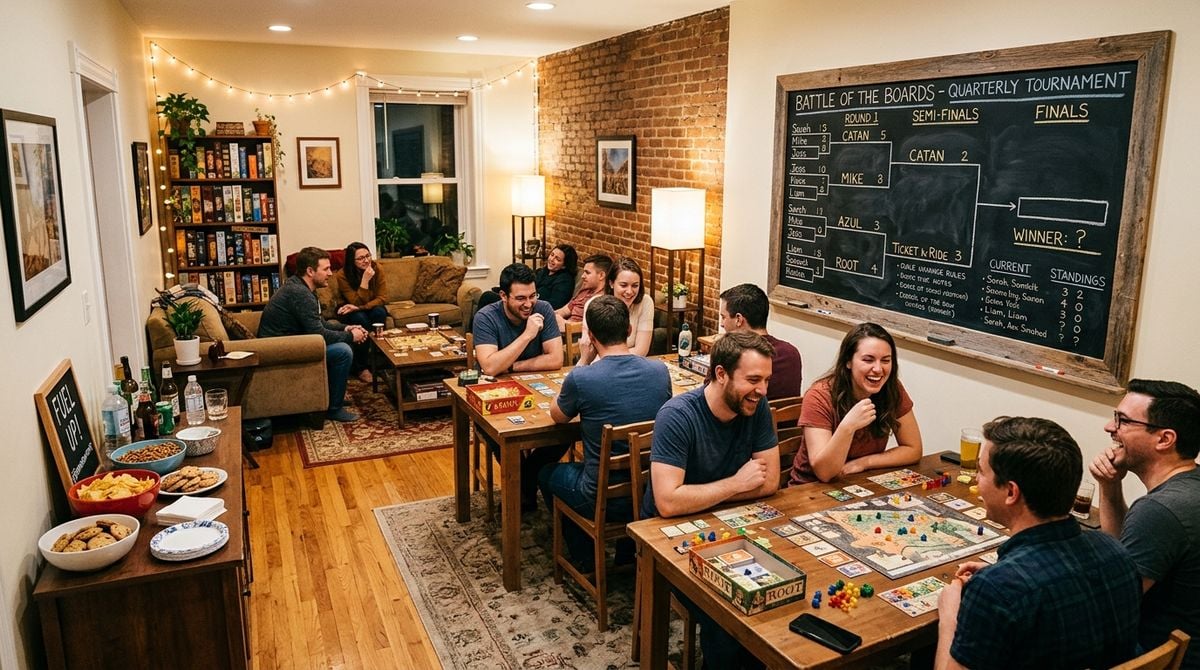
A board game lounge can attract a loyal crowd when the room feels inviting and the rules are easy to explain. Owners who prepare the space, stock the shelves and rehearse the opening routine usually find their first weeks run more smoothly. This article walks through that setup stage in general terms. It is written for owners who are planning a relaxed venue where people can sit, play and talk.
Games appeal to a broad range of visitors, from families and students to competitive players and newcomers. Preparation therefore includes thinking about comfort, safety, noise and storage. A carefully planned room supports every group without needing constant adjustments from staff. The work you put in before opening day becomes the quiet foundation that makes each evening feel effortless for guests.
Finding Floor Space for Tables
Measure the room and sketch where tables, chairs and a service counter will sit. Leave wide aisles so people can move around without bumping into one another or into a chair pulled out in a hurry. Readers may also want to visit ugenmedia.com. Compare several sketches before choosing the final plan.
Keep the entrance clear and place the counter where staff can see the whole room. A quiet corner with a sturdy table works well for players who want to focus on strategy games. Plan a table height that suits both seated guests and anyone who prefers to stand while playing. A mix of table sizes lets small groups and big parties enjoy the space at the same time.
Add outlets for lamps, speakers and charging points, and place them where cables will not cross walkways. Check the ventilation before the room fills, since a stuffy lounge quickly becomes uncomfortable on busy evenings. Consider a simple rule for keeping food away from the central tables. Clear guidelines protect the games and keep the room welcoming.
Stocking Games and Supplies
Choose a core collection of popular titles that teach quickly and suit mixed groups. You can also visit cookiebot for more reading. Following those practices helps keep the library usable and attractive over time. Start with a manageable number of games rather than an overwhelming shelf.
Inventory each game as you shelve it. Count the cards, dice and tokens, then place them in labeled bags so that a missing piece is easy to spot. Keep a repair kit with tape, sleeves and spare pieces for quick fixes between sessions. A basic checklist for each shelf makes the routine simple for any staff member.
Store rulebooks in a binder so staff can answer questions quickly without hunting through boxes. Create a short cheat sheet for the most popular games and keep copies at the counter. Clear sorting at the start saves hours later, and it helps guests find the right game without feeling lost. A tidy library also signals that the lounge is run with care.
Scheduling Staff and Setup Time
For a related read on this site, see A Parent’s View on a Home Nursery Business. Plan a setup window before doors open so the team can reset tables, test the lighting and restock snacks. Write the routine on a card behind the counter so that anyone on shift can follow it. Consistency matters more than speed in the early weeks.
Assign each team member a clear role, from greeting guests to explaining rules and cleaning tables. Hold a brief meeting before the first session to review the plan and answer questions. Allow extra time for the first week, since new routines always take longer to settle. Ask staff what felt rushed and adjust the plan accordingly.
Track how long each opening task takes and note any bottlenecks. A single slow step, such as restocking drinks from a distant storeroom, can delay the whole team. Move supplies closer to where they are used to smooth the workflow. Small adjustments made early keep evenings relaxed for everyone involved.
A Trial Run With Friends
Invite a small group of friends to test the lounge before the public arrives. Watch how people move through the room, where they pause to read rules and which tables get the most use. Ask them to try a few games they have never played before, since that reveals whether the explanations are clear. Their reactions show where the room works well and where it needs help.
Collect honest notes and adjust the layout, the signs and the storage accordingly. Move any table that feels cramped and add labels where guests struggle to find things. Check whether the lighting suits reading cards and small print. A trial run reveals problems that planning alone cannot, so treat the feedback as valuable information.
A trial run also gives the team confidence before real guests arrive. Staff who have practiced the routine feel calmer and more able to help. The lounge that opens after this preparation is more likely to feel relaxed, organized and genuinely fun from the first evening onward.