
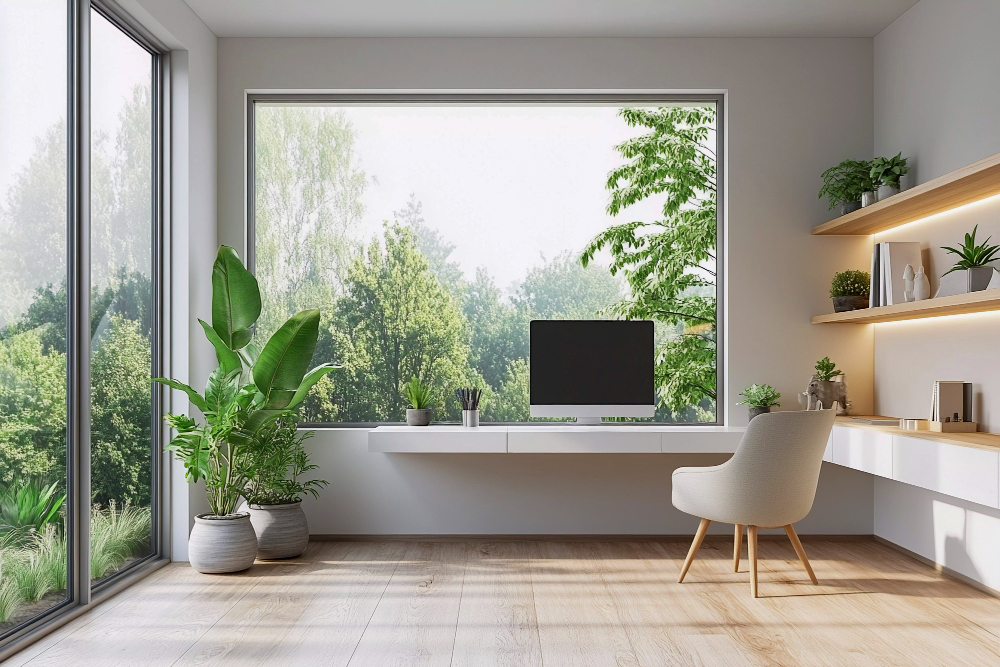
The shift toward remote work has prompted many individuals and businesses to reassess their traditional office setups. As working from home becomes more permanent, the need for dedicated, efficient workspaces has grown. Garden offices offer a practical solution by providing quiet, separate environments that enhance focus and productivity, thereby reducing distractions from the household.
Investing in a garden office not only supports a better work-life balance but also adds value to the property. These standalone structures improve usable space and appeal to the growing market of remote workers, making them a smart financial move.
Why Garden Offices Are a Smart Investment for the Remote Work Revolution
Remote work has shifted from a temporary adjustment to a permanent feature of many professional lives. Garden offices provide practical solutions that address evolving workspace needs, offering both functional benefits and long-term value improvements.
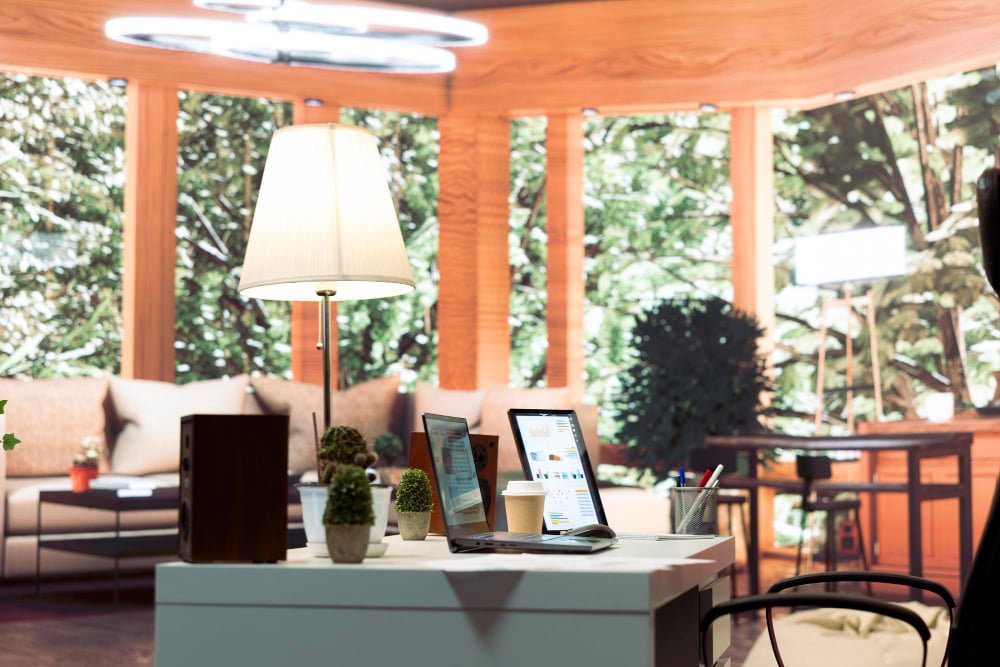
The Influence of the COVID-19 Pandemic on Remote Work Trends
The COVID-19 pandemic accelerated remote work adoption by forcing businesses and employees to adjust quickly to home setups. Many discovered that dedicated spaces outside the main house reduced distractions and improved productivity.
As a result, demand for efficient home workspaces like garden offices surged, offering privacy and clear separation between work and personal life. This trend shows lasting impact, with remote work becoming a standard option rather than a temporary fix.
Garden Offices vs. Traditional Home Office Spaces
Compared to traditional home offices, garden offices offer distinct advantages. They provide a standalone space, physically separate from daily household distractions, which improves focus.
Garden offices often include better natural light and ventilation, which can enhance comfort and well-being. Unlike converting an existing room, they do not reduce living space inside the home. Flexibility in design and technology integration also makes garden offices adaptable for various professional needs.
Financial Advantages of Adding a Garden Office
Investing in a garden office can reduce long-term costs associated with commuting, coworking spaces, or renting office premises. It supports sustained productivity by creating an environment tailored specifically for work.
In many cases, building a garden office is more cost-effective than expanding or renovating indoor space. These structures can often be added without complex permits, speeding installation. As remote work remains stable, the garden office provides a practical solution with high return on investment.
Enhancing Property Value Through Outdoor Workspaces
Garden offices can increase a home’s appeal to buyers who prioritize flexible and functional workspaces. This enhancement contributes directly to property value.
The presence of a garden office indicates modern living suitability and responsiveness to remote work trends. Properties with dedicated outdoor offices often stand out in competitive real estate markets. This improvement can attract a more diverse pool of potential buyers or tenants.
Maximizing Productivity, Well-Being, and Flexibility with Garden Offices
Garden offices offer tailored solutions that improve daily work routines, create a focused environment, and adapt to individual lifestyle needs. They provide specific design elements and flexible use of space that directly influence productivity, well-being, and work-life integration.
Work-Life Balance and Daily Routine Improvements
Garden offices physically separate work from home life, helping to establish clear boundaries. This separation prevents work tasks from spilling into personal time, which supports mental well-being.
Having a dedicated space allows for consistent daily routines. Employees can start and end work within the garden office, reducing distractions common in the main house and improving focus.
This separation also reduces the risk of burnout by encouraging regular breaks and clear stop times. The quiet environment supports relaxation after work hours, reinforcing a healthier balance between professional duties and home life.
Boosting Productivity with the Right Work Environment
A garden office minimizes typical home distractions and fosters concentration. The private setting is ideal for tasks requiring deep focus, creative thinking, or prolonged computer use.
Ergonomic furniture and technology integration within garden offices enhance comfort, which directly impacts productivity. Employees can tailor the workspace layout to their preferences, increasing efficiency.
Design Features: Natural Light, Green Roofs, and Studio Options
Natural light is a crucial element in garden offices. Windows, skylights, and glass doors bring in daylight, which has been linked to improved mood and alertness.
Green roofs add insulation and environmental benefits while creating a calming view. They contribute to better temperature control and reduce outside noise, improving comfort and concentration.
Studio-style garden offices offer an open, adaptable space for different work activities or hobbies. This flexibility allows users to combine work with creative pursuits or incorporate a home gym in the same structure, enhancing well-being.
Overcoming Space Constraints and Supporting Flexibility
Garden offices make efficient use of limited outdoor space by offering compact, modular designs. They fit into small gardens or yards without overwhelming the area.
Their standalone nature allows customization for diverse needs, from quiet offices to multi-use studios or gym spaces. This adaptability supports changes in work style or family life without home renovations.
Flexibility also extends to location; garden offices can be placed away from household noise or distractions, and some designs are portable or can be expanded as requirements evolve.