
Bringing a new employee onto your landscaping crew usually means a steep learning curve. The spring rush hits, the grass grows fast, and you just want to get your teams out on their routes. But tossing a rookie the keys to an expensive piece of equipment without a proper introduction is a guaranteed recipe for damaged turf, broken parts, or worse, a serious injury.
Even if a new hire claims to have years of experience, every brand and model handles differently. A stand-on unit drives very differently from a traditional zero-turn rider. Before you send anyone out to cut grass, you need a structured training process for the specific lawnmower they’ll be operating all season. Taking a few hours to onboard your staff properly protects your bottom line and keeps your clients happy. Here’s a practical, step-by-step guide to training your crew on a specific piece of cutting equipment.
The Engine-Off Walkaround
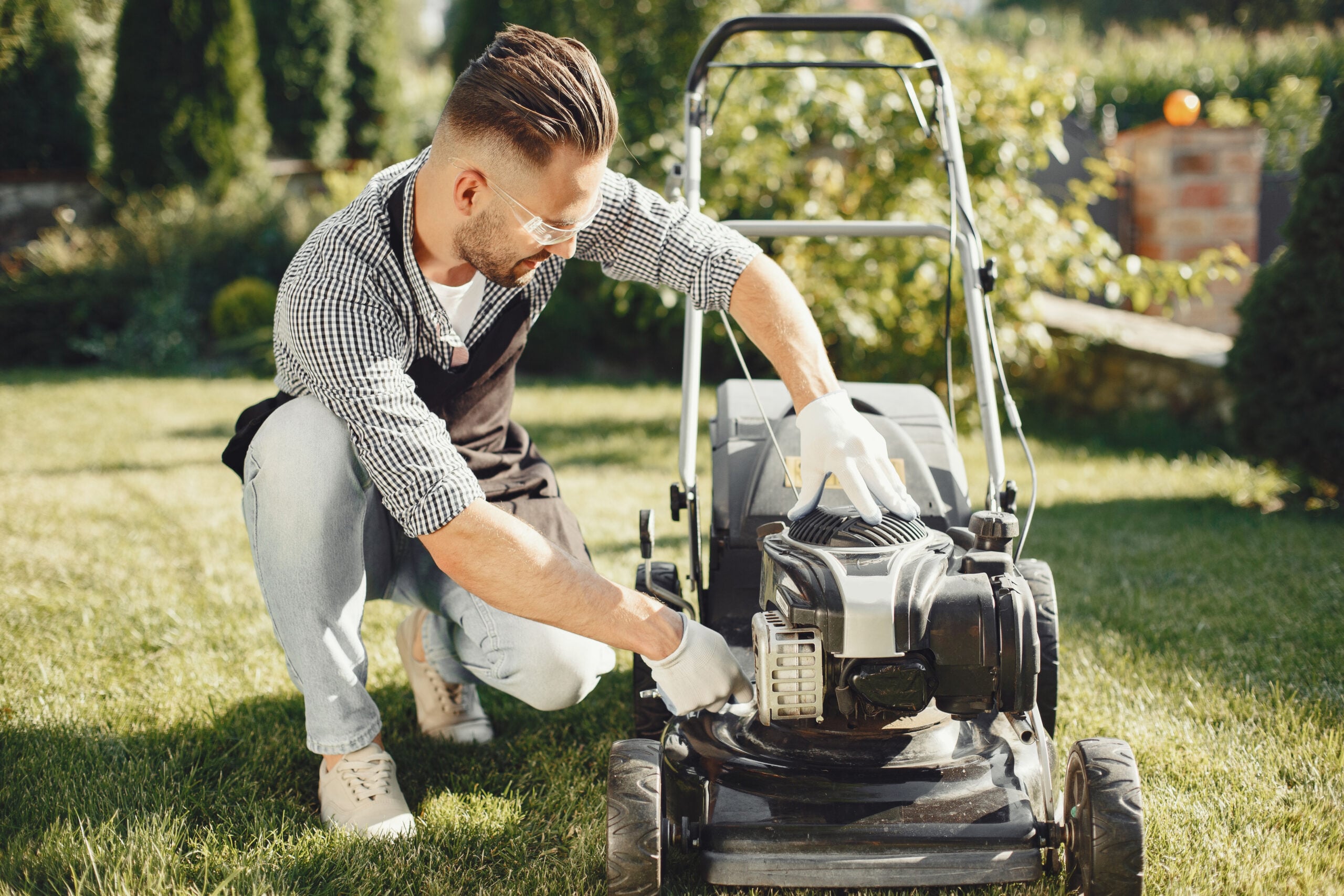
Before the engine ever fires up, your new operator needs to know the machine’s anatomy. Start your training session with a thorough visual inspection in the shop or yard. Walk them through the daily pre-trip checklist. Show them exactly where the oil dipstick is located and how to check the air filter. Point out the hydraulic fluid reservoirs and explain what a healthy fluid level looks like.
This is also the time to inspect the cutting deck. Show your employee how to safely check the blades for damage and verify the belts are in good condition. By forcing them to get familiar with the machine while it’s turned off, you remove the intimidating noise and vibration. They can ask questions clearly, and you establish the expectation that daily maintenance checks aren’t optional.
Mastering the Controls in a Safe Zone
Once the walkaround is complete, it’s time to review the controls. Every manufacturer configures their steering levers, parking brakes, and throttle controls a little differently. Have your trainee step onto the platform or sit in the seat. Point out the ignition, the PTO switch, and the deck height adjustment pins.
Fire the engine up, but keep the blades disengaged. Let them drive the unit around an empty parking lot or a vacant field, and have them practice making wide turns, sudden stops, and reversing. They need to understand how sensitive the hydrostatic drive system is. Some machines have highly responsive steering, while others require a bit more physical effort to maneuver. Let them get a feel for the machine’s center of gravity and braking distance before they ever touch a blade of grass.
Turf Protection and Turning Techniques
The fastest way a new employee can ruin your company’s reputation is by tearing up a client’s pristine front lawn. Once they understand how to steer, you have to teach them how to turn without leaving bald spots in the grass.
Demonstrate the proper three-point turn technique. Show them how to keep one tire moving slightly while pivoting, rather than locking one wheel completely in place. Locking a wheel and spinning on it digs a deep divot straight into the soil. Have your trainee practice these K-turns repeatedly on a patch of less visible grass until the motion becomes second nature. Emphasize that slowing down during turns saves time in the long run because you won’t have to send a crew back to repair damaged sod.
Slope Safety and Obstacle Navigation
Navigating flat ground is easy; managing hills is where true skill is required. You must teach your crew the specific slope limitations of the machine they’re running. Some units handle inclines beautifully, while others are prone to sliding if the angle gets too steep.
Walk them through a property with uneven terrain. Show them how to mow up and down a hill or across the face of it, depending on the manufacturer’s specific safety guidelines for that exact model. Teach them how to spot hidden obstacles like irrigation heads, exposed tree roots, and steep drop-offs near retaining walls. Instruct them to always walk a new property before cutting, picking up stray branches and debris that could easily bend a spindle or shatter a window if struck by the blades.
Dialing in the Cut Quality
Once the trainee knows how to drive safely, it’s time to focus on the actual grass. Getting the cut quality dialed in perfectly takes practice, so observe their first few properties and offer constructive feedback based on a few key principles:
- Adjusting Deck Height: Explain that cutting too short stresses the grass and leaves a scorched appearance. Teach them to adjust the pins correctly for different turf types.
- The One-Third Rule: Emphasize that they shouldn’t cut off more than one-third of the grass blade length in a single pass.
- Alternating Patterns: Explain the importance of changing mowing directions each week to prevent permanent tire ruts from forming in the client’s yard.
- Overlapping Passes: Show them how to overlap their tire tracks slightly to ensure they aren’t leaving thin strips of uncut grass behind.
End-of-Day Care and Reporting
Training doesn’t stop when the grass is cut. How an employee treats the equipment at the end of the shift determines how long that machine will last. Show your new hire exactly how to clean the unit before parking it in the shop.
Demonstrate how to scrape packed grass out from under the deck to prevent rust and maintain proper airflow for the next day. Show them the correct grease points and explain the fueling protocol so the machine is ready to go the next morning. Most importantly, create a simple system for them to report any weird noises, vibrations, or performance issues. When employees know exactly how to communicate equipment problems, you can fix minor issues before they turn into costly mid-week breakdowns.
Train for Success
A well-trained landscaping crew is the backbone of a profitable business. Taking the time to properly educate your team on the specific nuances of their equipment pays off in fewer repairs, better cuts, and a safer work environment. Don’t rush the onboarding process. Treat equipment training as an investment in your company’s future, and your team will reward you with reliable, high-quality work all season long.