
A break room sends a message about how a business values its people. When staff have a clean, comfortable place to rest during the day, they often return to work with a clearer head and a steadier mood. Preparing the room before it opens to the team helps the space serve its purpose from the first day.
The planning stage is about matching the room to real needs. Think about how many people will use it at the same time, what kinds of breaks they take and how the space will be cleaned. Keep the plan practical and modest, because an overcrowded room with expensive furniture can feel less welcoming than a simple one that is used every day.
Measuring the Space Honestly
Measure the room carefully before ordering any furniture, including the walls, doors, windows and the path people take to the kitchen or washroom. Note where the power outlets sit and whether there is good natural light. A room that looks large on a walk through can feel crowded once tables and chairs are placed. Readers may also want to visit scheels. Leave enough space for people to pull out a chair without bumping into a colleague.
Consider how the room will be used throughout the day. Some staff will eat lunch, others will take a quiet break, and a few may want to make a phone call away from their desks. Mark separate zones for eating, resting and calm reading if the room allows it. Clear zones reduce noise and help people choose the space that suits their needs.
Choosing Simple Furniture and Supplies
Choose sturdy, easy to clean furniture that can handle daily use. Tables with smooth surfaces, chairs with firm backs and a sofa with removable covers tend to last well in a busy room. You can also visit Bitmoji for more reading. Add a few plants or a soft rug if the budget allows, since simple touches can make the room feel more inviting. Keep the supplies basic, such as a kettle, a few mugs, a bin and a cupboard for shared items.
Think about storage as well, because clutter spoils a break room quickly. Provide labeled cupboards for shared food and cleaning items, and set a clear rule for what staff may leave in the fridge. A small cabinet for personal items can help people feel secure without taking over the room. Tidy surfaces and clear storage make the room easier for everyone to maintain.
Writing a Shared Schedule
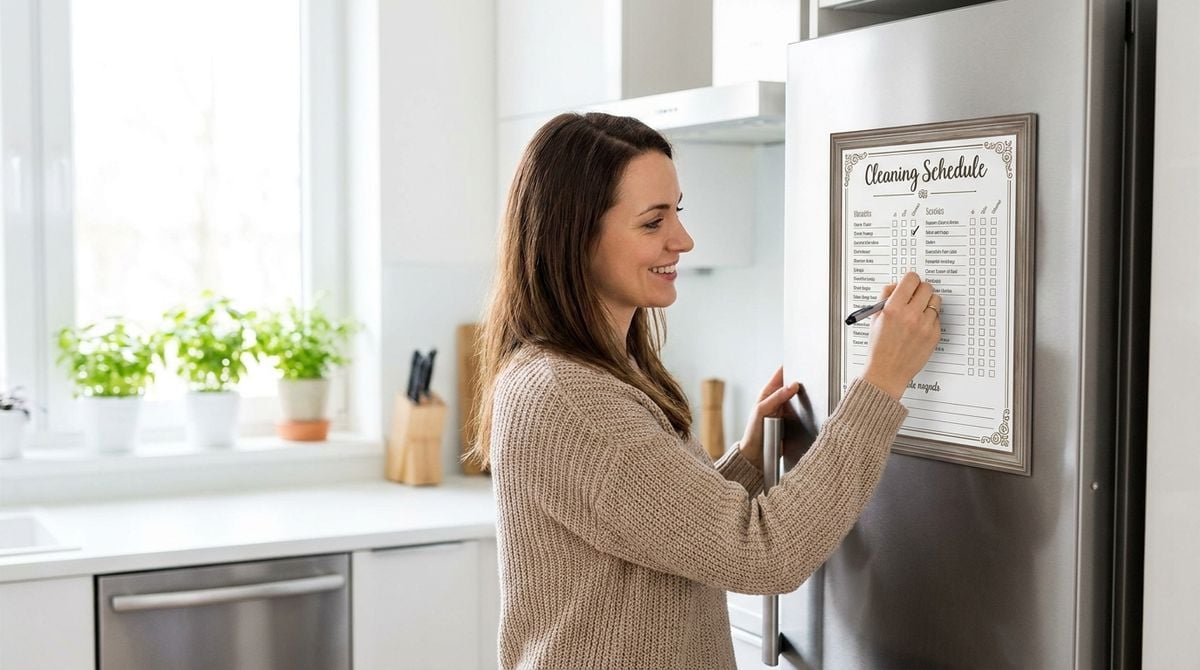
A shared schedule helps the room run smoothly, especially when several teams use it at the same time. Create a simple rota for cleaning the kitchen area, refilling supplies and checking the fridge each week. Post the rota on the wall near the entrance, and invite staff to suggest changes. For a related read on this site, see Preparing a Board Game Lounge Before Opening Its.
Set guidelines for quiet hours and phone calls, so that people who need concentration can find it. Ask staff to clear their dishes promptly and to report any broken items to the person responsible for the room. A respectful schedule keeps the space pleasant without requiring constant reminders. People tend to follow rules that feel fair and clearly explained.
Plan a short inspection of the room after each busy week, looking at the ventilation, the lighting and the cleanliness of shared surfaces. Note any noise from nearby offices or corridors that affects the mood of the space. Share the results with the team, and invite suggestions for small improvements that do not require large budgets. Listening to people who use the room every day usually produces the most useful ideas.
Keep a simple first aid box and a list of emergency contacts in the break room, and check the box at the same time each month. Replace used items promptly and record the date of each check. Make sure staff know where the box is kept and who to ask for help. A calm, prepared room gives people confidence that the workplace looks after its own.
Checking the Room Each Month
Schedule a short monthly check to review the room, the furniture and the supplies. Look for worn chairs, sticky surfaces, broken lights and items that nobody uses anymore. Ask a few staff members what they like about the room and what could be improved, then record their suggestions in a simple note. A monthly habit keeps the space fresh without large costs.
A well equipped break room is a quiet investment in the people who keep the business running. With careful measurements, simple furniture, a shared schedule and regular checks, the room becomes a place where colleagues can recharge. Planning it before launch means the first lunch break already feels like part of a considered workplace. Staff notice when a room is cared for, and that attention shapes how they feel about their daily work. Keeping the space fresh is an ongoing commitment rather than a single project.